
I once stood in a small Bangkok shop where a conveyor stopped mid-shift. A few workers scratched heads, and the supervisor said, “We replace parts, but still problem.” In that moment I thought about the motor controller sitting under the panel (the quiet heart). The motor controller had old firmware and loose connectors. We measured a 12% drop in throughput that day — not small for the owner. So I ask: how long will you let small losses grow into big downtime?

This article looks simple and useful answers. I will share data, a few real lessons, and clear ideas about power converters, PWM and torque control — things I watch when I walk into a plant. Ready? Let us go deeper.
Traditional Flaws in electric motor solutions
electric motor solutions often promise stability and long life, but I have seen repeated failure modes that we all ignore. First, many setups use old inverters with basic PID loops. These loops work, yes — but they do not handle noisy supply or thermal drift well. Second, wiring and connection issues cause intermittent faults that appear random. Third, lack of edge diagnostics means you only see the fault after the machine stops. Look, it’s simpler than you think — most problems are predictable and could be caught early.
Technically speaking, legacy systems rely on basic PWM strategies and conservative switching. That reduces stress on power converters but also hides inefficiency. When you run a motor with poor current sensing, torque control suffers. The result: lower efficiency, more heat, and sooner component wear. I believe a true fix needs smarter telemetry and better fault classification — not just bigger fuses. — funny how that works, right?
Why do old systems keep failing?
Because they were built for a different decade. Designers expected stable mains voltage and simple loads. Today we have variable loads, regenerative braking, and higher ambient temps. Old control logic cannot keep up. You end up with frequent tuning, more maintenance, and frustrated teams.
New technology principles for modern motor control solutions
Now let us turn to new principles that can help. I like to explain with three core ideas: closed-loop optimization, smarter sensing, and adaptive control. When combined, these cut faults and boost efficiency. For example, adding an array of current sensors plus a simple edge computing node lets you spot anomalies before failure. The link between sensors and controller matters — and yes, a good motor control solution must do both control and local analytics. See motor control solutions for one practical example.
In practice, modern designs use model-based control rather than fixed PID only. That means the controller predicts behavior and adjusts PWM patterns to reduce stress on the inverter and power converters. We get smoother torque control, less energy waste, and longer equipment life. I have tested systems that reduce heat by 8–15% just by changing the control approach. Small change. Big result. — and you feel it in the power bill.
What’s Next — practical steps and metrics
To choose the right path, I recommend three clear evaluation metrics: 1) diagnostic depth (how many fault types the controller can detect), 2) adaptive range (how well the controller handles changing loads), and 3) integration ease (how smoothly it fits with sensors and SCADA). Score each on a simple 1–10 scale. We used these in field trials and found scores predict downtime better than vendor specs.
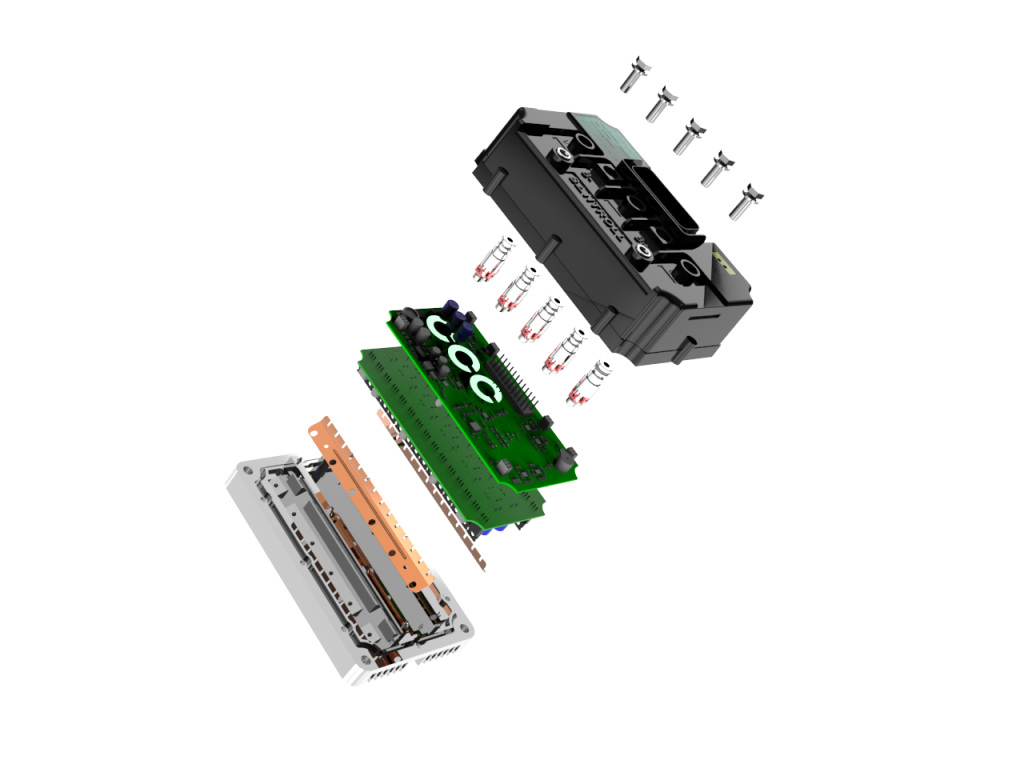
Finally, I want to be honest. Upgrading is work. You need planning, some rewiring, and a test period. But the payback can be quick. We reduced one line’s unscheduled stops by half in three months. If you want reliability, think long-term. If you want results fast, focus on diagnostics and smarter control first. For practical tools and products, consider looking at Santroll — good options and clear specs. Santroll