
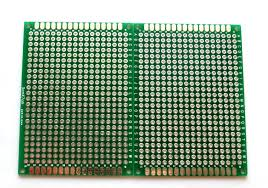
Taiwan has long been recognized as a global leader in the electronics sector, and one of the key pillars of this success lies in its thriving circuit board industry. Often referred to as the backbone of modern electronics, printed circuit boards (PCBs) are essential components in everything from smartphones and laptops to medical devices and automotive systems. Taiwan’s dominance in this arena is not accidental—it is the result of a unique combination of strategic investments, advanced technology, skilled labor, and a robust ecosystem that nurtures innovation.
A History of Early Investment and Innovation
Taiwan’s journey to becoming a circuit board powerhouse began decades ago with targeted investments in technology and manufacturing infrastructure. The government recognized early on that electronic components could be a driving force for economic growth. By supporting research and development initiatives and creating technology parks, Taiwan laid the groundwork for a thriving PCB industry. Over the years, these efforts attracted both local entrepreneurs and multinational corporations, setting the stage for a highly competitive market.
What sets Taiwan apart from other PCB-producing regions is its consistent emphasis on innovation. Manufacturers in Taiwan have continuously pushed the boundaries of PCB technology, moving from basic single-layer boards to advanced multi-layer and high-density interconnect (HDI) boards. This focus on innovation has allowed Taiwan to meet the evolving demands of industries like aerospace, telecommunications, and consumer electronics.
Advanced Manufacturing Capabilities
A major factor behind Taiwan’s competitiveness is its state-of-the-art manufacturing capabilities. Taiwanese PCB manufacturers leverage cutting-edge machinery and automated production lines to ensure precision, consistency, and speed. The integration of smart manufacturing technologies, such as robotics and AI-driven quality control, has enabled companies to reduce defects and improve yield rates.
Additionally, Taiwan has developed specialized expertise in producing complex boards that require intricate designs and high precision. For example, high-frequency PCBs used in 5G technology and HDI printed circuit boards for compact electronic devices demand a level of technical proficiency that many other regions struggle to achieve. Taiwanese companies’ ability to meet these high standards has solidified their reputation as reliable suppliers in the global market.
For businesses looking to tap into Taiwan’s PCB expertise, a variety of options are available. Companies can explore partnerships with specialized manufacturers or source custom solutions tailored to their specific needs. Suppliers like https://www.pcb-togo.com/ offer comprehensive services that leverage Taiwan’s manufacturing prowess, making it easier for global clients to access high-quality boards efficiently.
Strong Supplier Ecosystem
Another competitive advantage of Taiwan’s PCB industry is its robust and integrated supply chain. The country boasts a well-established network of raw material suppliers, equipment manufacturers, and logistics providers, all operating in close proximity. This ecosystem enables quick turnaround times and reduces dependency on external sources, which is particularly critical during periods of high demand or supply chain disruptions.
Moreover, collaboration between different players in the ecosystem encourages knowledge sharing and joint innovation. Companies often work together to refine production techniques, develop new materials, and test emerging technologies. This collaborative environment fosters efficiency and continuous improvement, keeping Taiwan ahead of competitors in both quality and cost-effectiveness.
Highly Skilled Workforce
Taiwan’s PCB industry also benefits from a highly educated and technically skilled workforce. Engineers and technicians in Taiwan undergo rigorous training, often combining academic study with hands-on experience in state-of-the-art facilities. This ensures that the workforce is not only capable of handling complex manufacturing processes but is also adept at troubleshooting and optimizing production workflows.
In addition to technical skills, Taiwanese PCB companies place strong emphasis on research and development. Many firms operate in-house R&D labs dedicated to creating innovative board designs, improving material performance, and exploring new applications. This culture of continuous learning and experimentation has allowed Taiwan to maintain a competitive edge in a rapidly evolving industry.
Global Market Reach and Reputation
Taiwan’s circuit board industry is highly export-oriented, serving markets across North America, Europe, and Asia. Its reputation for reliability, speed, and technological excellence has made Taiwanese PCBs a preferred choice for multinational electronics companies. According to industry analysts, the ability to consistently deliver high-quality products on time is a key differentiator that allows Taiwanese manufacturers to command premium pricing.
Furthermore, Taiwanese PCB firms have strategically aligned themselves with global trends, such as the rise of IoT devices, electric vehicles, and 5G networks. By anticipating market needs and adapting quickly, these companies remain relevant and competitive, ensuring long-term growth and sustainability.
If your project requires high-density and complex boards, you can Click Here for more information on HDI printed circuit boards, a segment where Taiwan excels.
Sustainability and Environmental Responsibility
Sustainability has also become a central focus for Taiwan’s PCB industry. Leading manufacturers are investing in eco-friendly production processes, such as reducing chemical waste, recycling materials, and implementing energy-efficient practices. This commitment to environmental responsibility not only improves operational efficiency but also enhances the industry’s global credibility, appealing to environmentally conscious clients and partners.
The Role of Digitalization and Smart Technology
Digitalization has further strengthened Taiwan’s PCB competitiveness. Advanced software tools for circuit design, production monitoring, and quality assurance enable manufacturers to minimize errors and accelerate time-to-market. Integration of smart technologies, including IoT-enabled machinery and predictive maintenance systems, allows companies to optimize performance, reduce downtime, and lower production costs.
Conclusion
Taiwan’s circuit board industry thrives due to a blend of innovation, advanced manufacturing, skilled labor, robust supply chains, and a forward-thinking approach to sustainability and digitalization. Its ability to anticipate market trends, coupled with a strong global reputation, ensures that Taiwanese PCB manufacturers remain highly competitive in the international arena.
In a world where electronics continue to permeate every aspect of life, Taiwan’s commitment to quality, precision, and innovation positions its circuit board industry as a global benchmark. For companies seeking reliable, high-performance PCB solutions, Taiwan remains an unmatched hub of expertise and excellence, demonstrating why it continues to dominate the market and set the standard for the rest of the world.