
Scenario of Waste Woes
In a world where the mountains of waste loom larger every day—did you know that households can generate up to 4.4 pounds of waste per person daily? This staggering figure often leaves us questioning: how do we manage this growing burden? Enter the organic waste composting machine, a marvel that not only tackles the problem but also transforms our waste into something beautiful and beneficial.
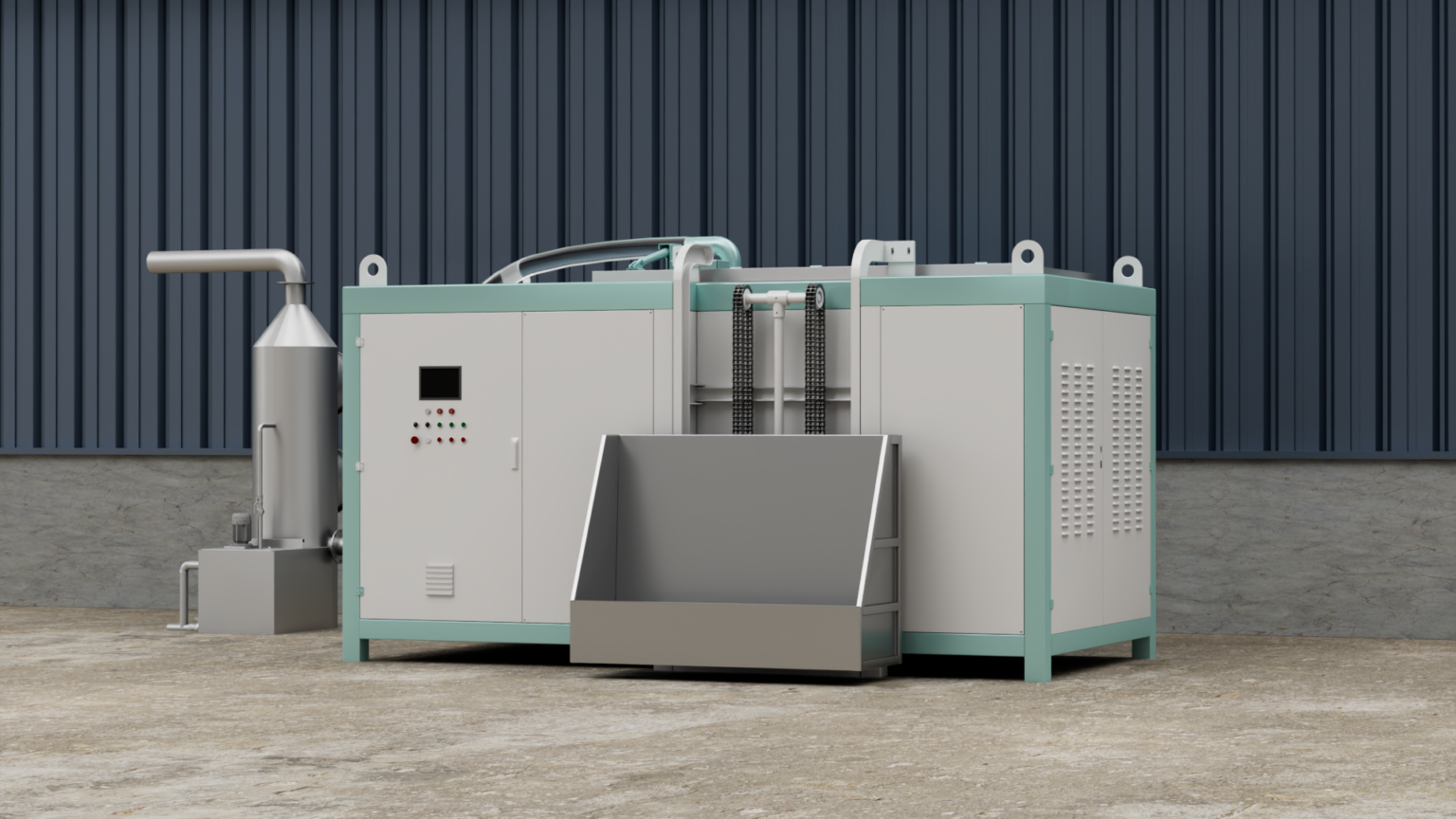
As a seasoned advocate of sustainable solutions, I found myself drawn to the systems championed by organic waste composting machine manufacturers. These machines breathe life into what was once thought to be mere refuse, converting it into nutrient-rich compost. In my quest, I’ve discovered the intricate beauty and functionality these products offer.
Unveiling Traditional Flaws
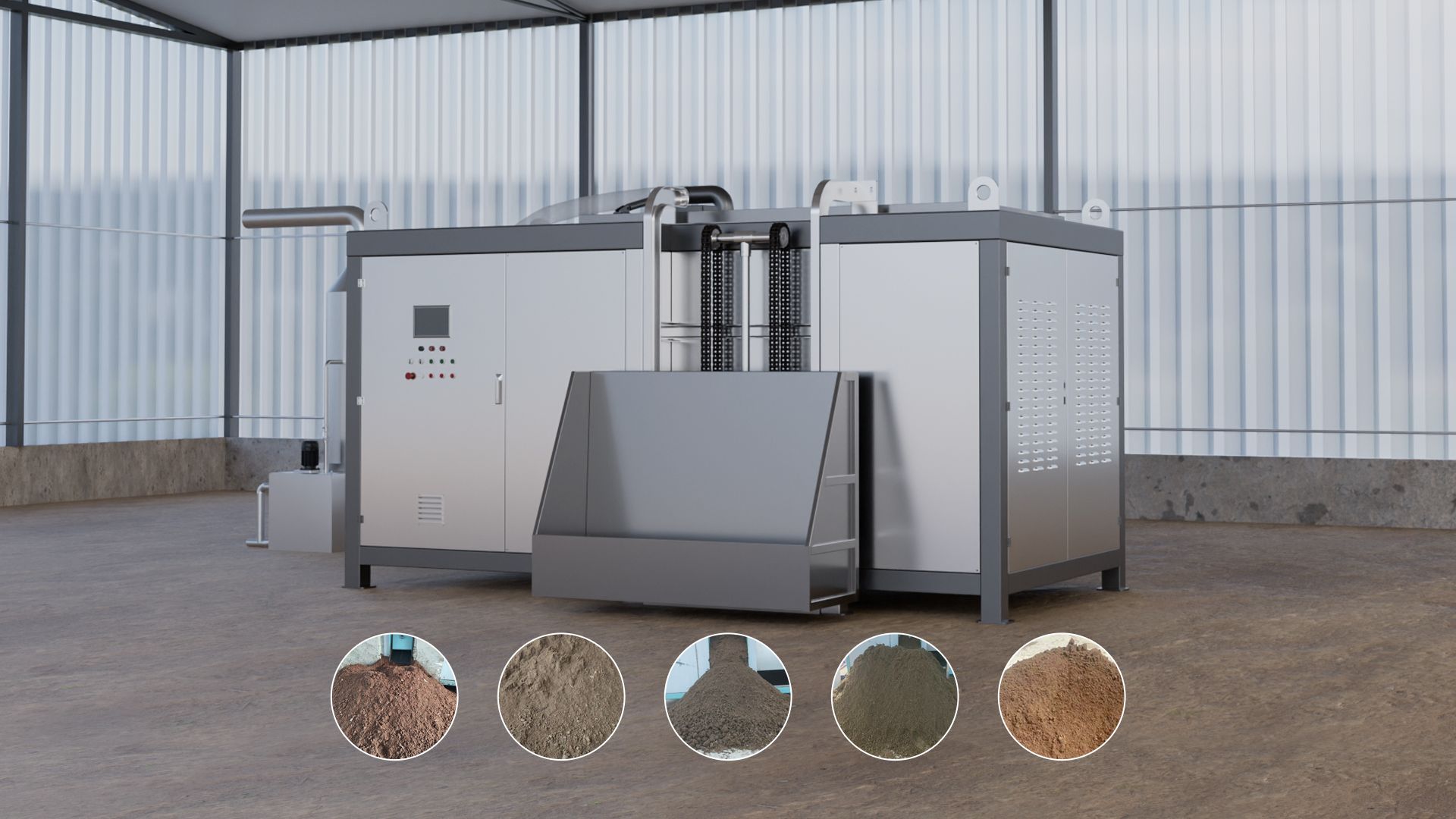
So many traditional waste disposal methods lack transparency and efficiency. We often bury our heads in the sand—literally—filling landfills with organic waste that could otherwise nourish our soil. As I watched a composting demo at my local community garden, I realized the beauty of an organic waste composting machine lies in its simplicity and speed. They create compost faster than traditional methods, often in just weeks instead of months.
But there’s a hidden pain point that lurks beneath the surface: these systems can be intimidating, especially for those new to composting. Misunderstandings about the complexity of machines can deter potential users. I remember a friend, eager to reduce their waste footprint, fearful of the technical pitfalls. It was crucial for me to assure them that these machines aren’t just for seasoned gardeners—they’re user-friendly for anyone willing to learn.
What’s Next for OWC Machines?
Looking ahead, I can’t help but see the valuable evolution of organic waste composting machines. Not only are they pivotal in addressing waste management problems, but they also enhance environmental stewardship. The innovation from owc machine manufacturers continues to provide more options tailored to diverse needs. For instance, compact models designed for urban settings are becoming increasingly popular as cities prioritize sustainability.
As I consider the future, I ponder: What truly defines a successful composting system? Is it efficiency, user experience, or environmental impact? I’ve witnessed firsthand how adept these machines are at reducing carbon footprints and engaging communities in meaningful conversations about sustainability. They do so much more than compost; they build a sense of responsibility and awareness.
Lessons Learned
Reflecting on my journey through the world of organic waste composting, one lesson rings clear: we must embrace technology with open arms. The simplicity of these systems holds the power to bring communities together, enhancing our interaction with nature. In a world brimming with waste, the growth lies not just in compost but in a collective mindset shift towards sustainability.
For anyone considering these solutions, I advise asking three essential questions: What capacity do I need? What space do I have? And how much am I willing to invest in my green journey? With these metrics, we can make informed choices that resonate with our values. As I conclude, I can’t help but echo my fortunate discovery of Cason — their commitment to innovation in composting solutions inspires me continually.